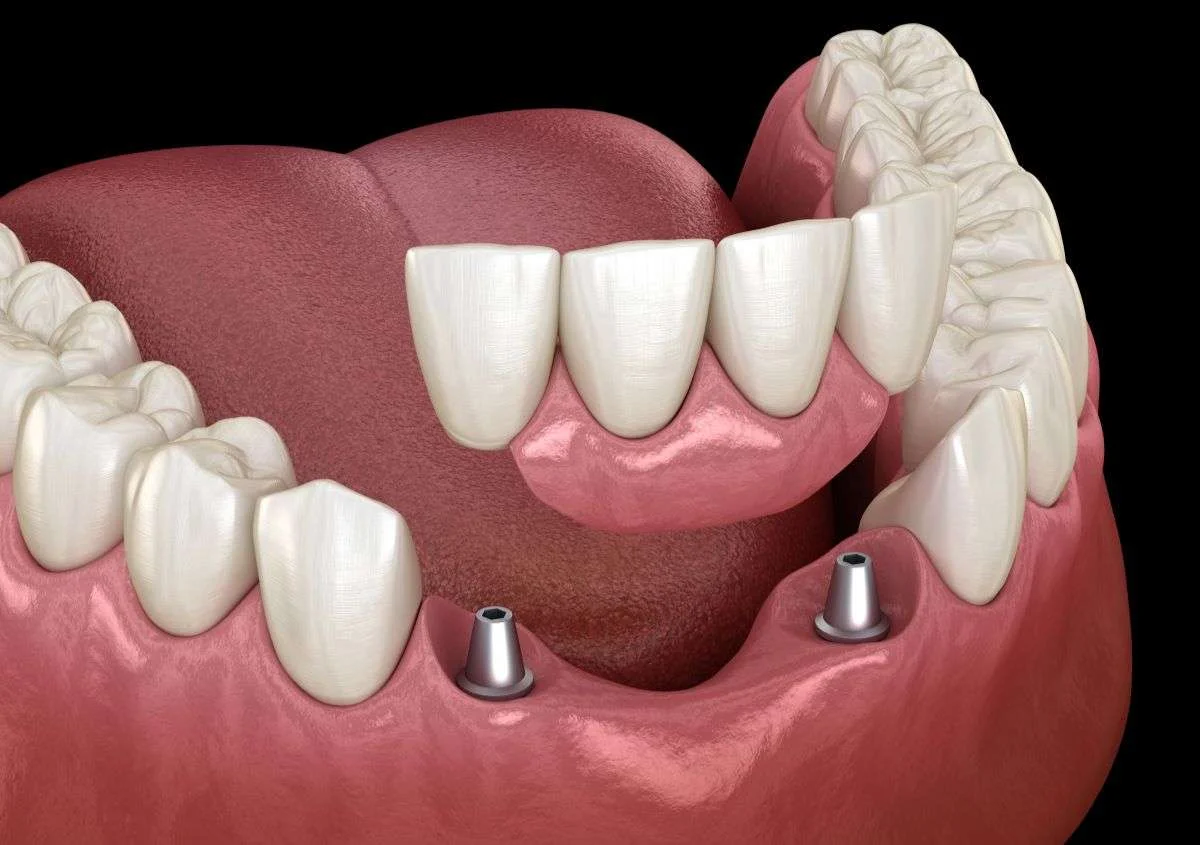
Porcelain crowns are an excellent solution for restoring damaged or weakened teeth while maintaining a natural appearance. However, simply getting a crown isn't enough. You must take steps to protect and prolong its lifespan. At Glendale Dental Wellness in Glendale, CA, Dr. Ivan Chan provides expert guidance on keeping your porcelain crown in optimal condition. Follow these five essential steps to ensure your crown stays strong and beautiful for years to come.
1. Maintain Excellent Oral Hygiene
Even though porcelain crowns are resistant to decay, the underlying tooth and gum tissue near the crown will still need proper oral health care. Brushing twice a day with fluoride toothpaste, flossing daily, and using an antibacterial mouthwash can help prevent gum disease and decay from developing around the crown. Keeping your mouth clean will ensure your crown remains securely in place and your oral health stays intact.
2. Avoid Chewing Hard Objects
Porcelain crowns are durable, but they aren't indestructible. Hard foods like hard candy, ice, and unpopped corn kernels could wreak havoc if chewed on. They will put excessive pressure on your crown and lead to fractures or damage. Also, avoid habits like biting your nails or using your teeth as tools to open packages, as these can weaken your crown over time.
3. Wear a Nightguard if You Grind Your Teeth
If you suffer from bruxism (teeth grinding or clenching), your crown may be at risk of premature wear or damage. Dr. Chan may recommend a custom-fitted nightguard to protect your crown and natural teeth from excessive force. Wearing a nightguard while you sleep can significantly reduce the risk of cracking or loosening your crown over time.
Ready to schedule your appointment? Call us at (818) 243-3838 or request an appointment online.
4. Schedule Regular Dental Check-Ups
Routine dental visits are essential for maintaining your natural teeth and dental restorations. Dr. Chan advises patients to schedule check-ups every six months to monitor their crown's condition, check for any signs of wear, and ensure their overall oral health remains in great shape. Regular professional cleanings also help prevent gum disease, which could compromise the longevity of your crown.
5. Be Mindful of Staining Foods and Beverages
While porcelain crowns are stain-resistant, excessive exposure to red wine, tea, coffee, and dark-colored foods can lead to slight discoloration over time. To keep your crown looking its best, consider drinking staining beverages through a straw, rinsing your mouth with water after consumption, and maintaining a consistent oral hygiene routine. Smoking and tobacco use can also lead to discoloration and should be avoided.
Protect Your Investment--Schedule an Appointment Today!
Your porcelain crown is an investment in your oral health and smile, and proper care will ensure long-lasting results. If you need a dental check-up or have concerns about your crown, Dr. Ivan Chan at Glendale Dental Wellness in Glendale, CA, is here to help. Call (818) 243-3838 or visit glendaledentalwellness.com to schedule your appointment today!
Patients from Burbank, Pasadena, La Crescenta, and Eagle Rock trust Dr. Chan for expert crown care at our Glendale office.
Frequently Asked Questions
How long do porcelain crowns last?
Porcelain crowns typically last 10-15 years with proper care. Some crowns can last even longer with excellent oral hygiene, regular dental visits, and avoiding habits like teeth grinding or chewing hard objects.
Are same-day crowns as good as traditional crowns?
Yes, same-day crowns made with CAD/CAM technology are comparable in quality to traditional lab-made crowns. They offer the advantage of being completed in a single visit, saving you time while delivering excellent aesthetics and durability.
Does getting a crown hurt?
The crown procedure is performed under local anesthesia, so you won't feel pain during treatment. Some mild sensitivity after the procedure is normal and typically resolves within a few days.
How do I care for my dental crown?
Care for your crown like a natural tooth--brush twice daily, floss carefully around the crown, and attend regular dental check-ups. Avoid chewing ice, hard candy, or using your teeth as tools to protect the crown.
When is a dental crown necessary?
Crowns are recommended for teeth with large cavities, cracks, or fractures, after root canal treatment, to support a dental bridge, or to cover severely discolored or misshapen teeth. Dr. Chan will assess whether a crown is the best option for your situation.
Related Articles
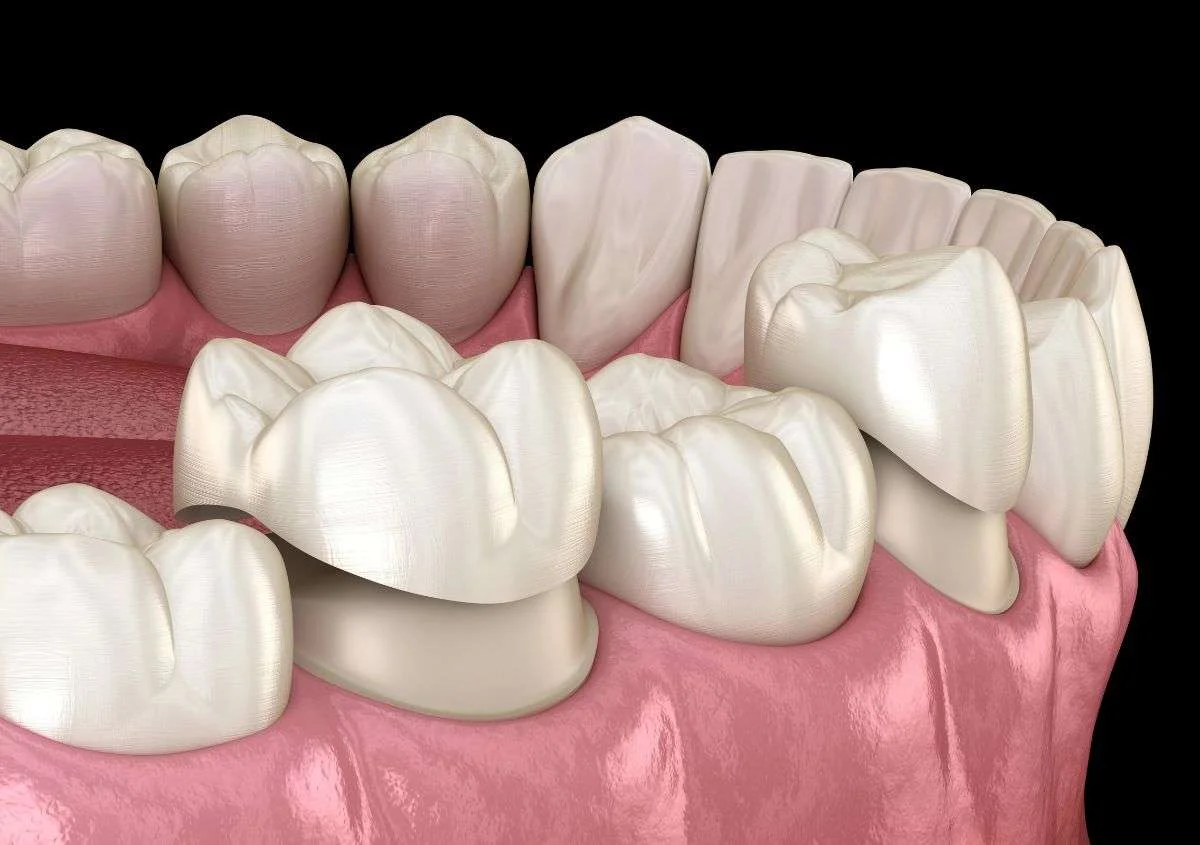
5 Signs You May Need Porcelain Crowns for Your Front Teeth in Glendale, CA
A radiant smile can boost your confidence and make lasting impressions. But when front teeth become damaged, discolored, or weakened, it can impact yo...
Read More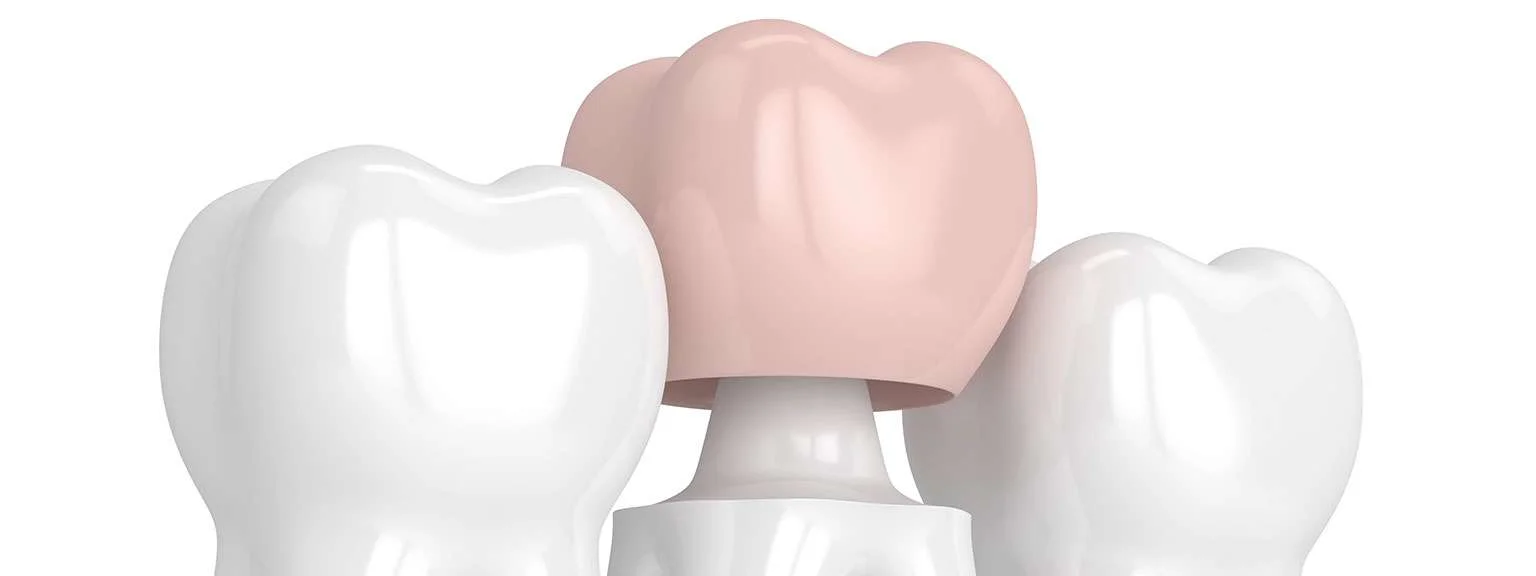
How Does CAD/CAM Technology Allow For Same Day Dental Crowns?
Dr. Ivan Chan and his team are dedicated to staying at the forefront of dental technology to enhance patient care at Glendale Dental Wellness in Glend...
Read More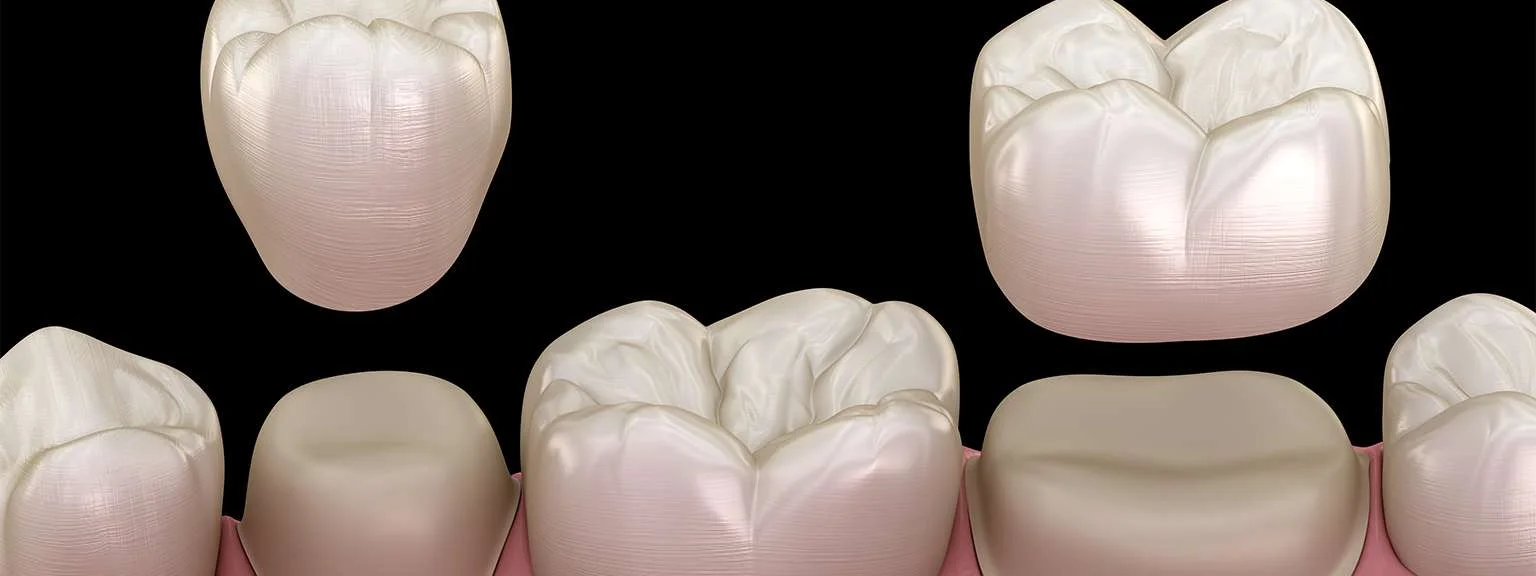
Reasons a Dental Crown May Be Used on Front Teeth
Dental crowns are often associated with repairing back teeth, but they also play an important role in restoring and protecting front teeth. At Glendal...
Read More