CHILDREN'S DENTAL CARE
Pediatric Dentistry
Gentle, Kid-Friendly Dental Care in Glendale
At Glendale Dental Wellness, we believe that positive dental experiences in childhood build the foundation for a lifetime of healthy smiles. Our team provides gentle, comprehensive dental care for children of all ages — from the first tooth through the teenage years — in a warm, welcoming environment designed to put young patients at ease.
We offer a full range of preventive and restorative services tailored to your child's developing smile, including dental sealants, fluoride treatments, gentle cavity care, and oral hygiene education that makes brushing and flossing fun. Our goal is to help your child feel comfortable at the dentist so they carry those positive habits into adulthood.
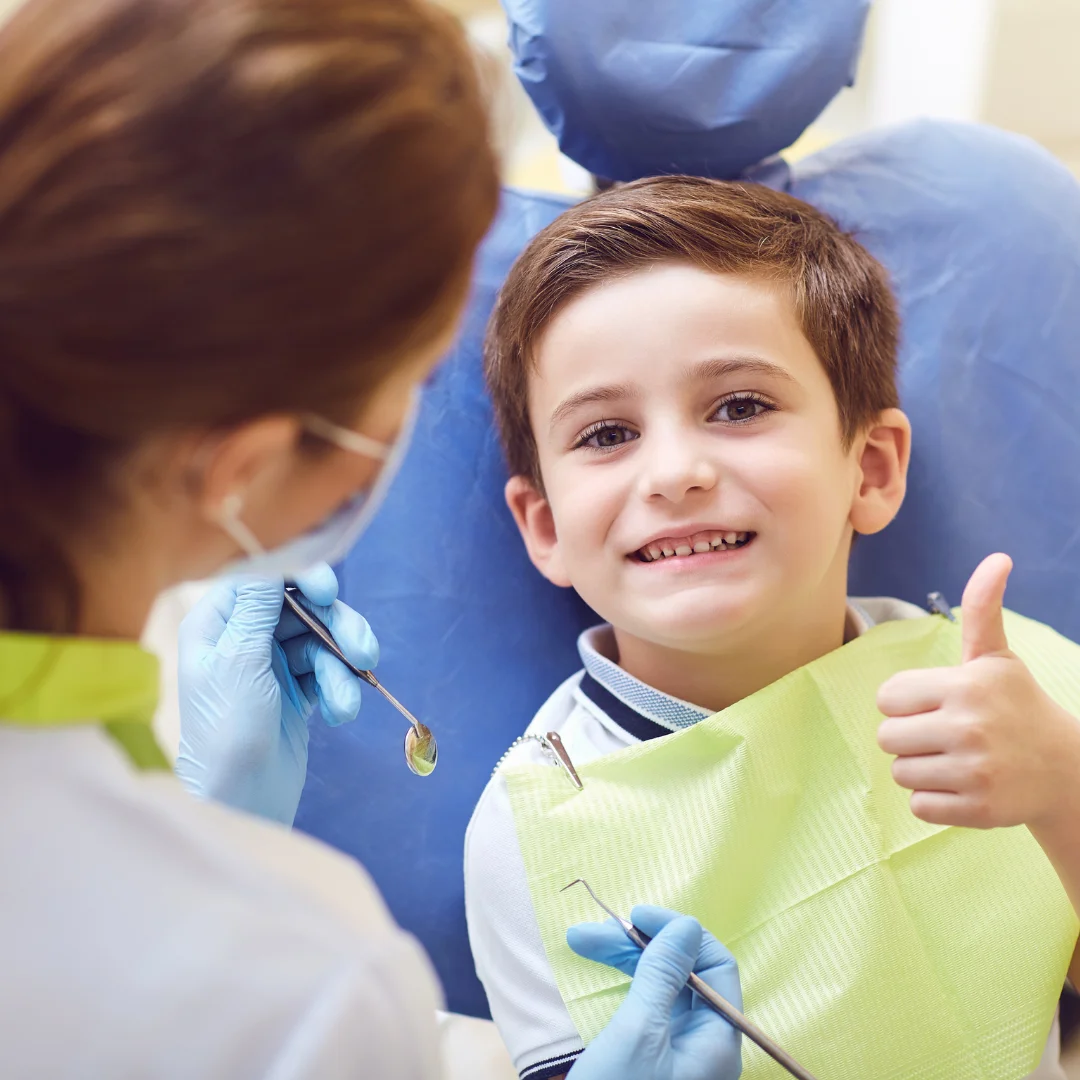
Why Baby Teeth Matter More Than You Think
One of the most common questions we hear from parents is: "Do baby teeth really need treatment if they're going to fall out anyway?" The answer is a clear yes. Your child's 20 primary teeth serve critical roles for up to 12-13 years — that's not temporary in any meaningful sense.
Baby teeth are essential for:
- Chewing and nutrition — children need healthy teeth to eat the varied diet necessary for growth and development
- Speech development — teeth are essential for forming sounds correctly; missing or severely decayed front teeth can cause speech difficulties
- Space for permanent teeth — baby teeth guide adult teeth into their correct positions; early loss can cause shifting, crowding, and misalignment
- Jaw development — primary teeth stimulate proper growth of the jawbones
- Self-esteem — children are very aware of their appearance; healthy teeth support confidence and social development
Untreated decay in baby teeth can spread to adjacent teeth, cause painful infections, and even damage the permanent teeth developing underneath. That's why we take children's dental health just as seriously as adult care.
Your Child's First Dental Visit
The American Academy of Pediatric Dentistry and the American Dental Association both recommend a child's first dental visit by age one — or within six months of the first tooth erupting, whichever comes first. Most children get their first tooth between 6 and 10 months of age, so planning a visit around their first birthday is ideal.
Early visits establish a "dental home" for your child, which research shows reduces dental emergencies and treatment costs over time. Our complete guide to your child's first dental visit covers everything you need to know, including how to prepare your child and what to expect.
What Happens at the First Visit
- Getting acquainted — we introduce your child to our team and the dental office in a relaxed, friendly way, letting them explore and ask questions
- Gentle examination — we carefully check your child's teeth, gums, jaw, and bite for signs of early decay, alignment issues, or developmental concerns
- Cleaning and fluoride — if appropriate for your child's age, we'll perform a gentle cleaning and apply fluoride varnish to strengthen their enamel
- Parent guidance — we discuss your child's oral health, proper brushing techniques for their age, diet recommendations, and answer all your questions
Preventive Care for Growing Smiles
Prevention is the cornerstone of children's dentistry. Our focus is keeping your child's teeth healthy and cavity-free through a combination of professional care and at-home guidance.
Dental Sealants
Dental sealants are one of the most effective cavity-prevention tools available. These thin, protective coatings are painted onto the chewing surfaces of your child's back teeth (molars), where deep grooves and pits make cavities most likely to form. According to the CDC, sealants prevent 80% of cavities in back teeth for two years after application. We recommend sealants as soon as your child's first permanent molars come in — usually around age 6.
Fluoride Treatments
Professional fluoride varnish treatments strengthen developing tooth enamel and can actually reverse very early stages of decay. These quick, painless applications are especially beneficial for children at higher risk for cavities. We tailor the frequency of fluoride treatments to your child's individual risk level.
Oral Hygiene Education
We teach children proper brushing and flossing techniques in a fun, age-appropriate way. We also work with parents to establish effective home care routines. Here's a quick guide by age:
- Under 1 year: Wipe gums with a clean, damp cloth after feedings
- Ages 1-3: Use a rice-grain-sized smear of fluoride toothpaste on a soft child-sized brush; parent does all brushing
- Ages 3-6: Use a pea-sized amount of fluoride toothpaste; child can start brushing with supervision, parent follows up
- Ages 6-8+: Child begins brushing independently; supervise until they demonstrate thorough technique
Nutrition Counseling
Diet plays a significant role in children's dental health. We offer guidance on tooth-friendly foods and help identify dietary habits that may contribute to decay — including limiting juice (the American Academy of Pediatrics recommends no juice under age 1), avoiding bedtime bottles with milk or formula, and choosing water as the primary beverage between meals.
Children's Dental Treatments
Even with excellent preventive care, some children may develop cavities or other dental concerns. When treatment is needed, we use the gentlest techniques and a reassuring approach to keep your child comfortable. Learn more about common childhood dental problems and how we address them.
- Tooth-colored fillings — conservative cavity treatment that blends naturally with your child's teeth
- Stainless steel and zirconia crowns — for baby teeth with extensive decay that need more protection than a filling can provide
- Space maintainers — custom appliances that hold the space when a baby tooth is lost early, preventing neighboring teeth from shifting and causing alignment problems for permanent teeth
- Pulpotomy (baby tooth nerve treatment) — saves a severely decayed baby tooth by removing the infected portion of the nerve and preserving the tooth until it's naturally ready to come out
- Emergency dental care — prompt treatment for chipped, broken, or knocked-out teeth from falls, sports, or playground accidents
We take extra time to explain each procedure to both you and your child in a calm, reassuring way. Our team uses distraction techniques, positive reinforcement, and a gentle touch to help children feel safe during treatment. For children with dental anxiety, we offer sedation options to make the experience comfortable.
When to Think About Orthodontics
The American Association of Orthodontists recommends that every child have an orthodontic evaluation by age 7. This doesn't mean your child will need braces at 7 — most won't — but early assessment lets us identify developing issues like crossbites, crowding, or jaw growth problems that are easier to correct while your child is still growing.
During regular dental visits, we monitor your child's bite and alignment and will let you know if and when an orthodontic consultation would be beneficial. For children who are candidates, we offer Invisalign and can coordinate with orthodontic specialists for traditional braces when needed.
Children's Dentistry Resources for Parents
We've put together detailed guides to help you understand every aspect of your child's dental care:
Your Child's First Dental Visit
What to expect, how to prepare your child, and why early dental visits set the foundation for a lifetime of healthy smiles.
Learn More →Dental Sealants for Kids
How sealants protect your child's teeth from cavities — what they are, when they're needed, and how they're applied.
Learn More →Fluoride Treatments for Children
Why fluoride is important for developing teeth, how professional treatments work, and safety guidelines for every age.
Learn More →Common Childhood Dental Problems
From cavities and thumb sucking to early tooth loss — common dental issues in children and how we treat them.
Learn More →Sedation Dentistry for Kids
Sedation options for anxious or nervous children, including nitrous oxide and oral sedation. What parents need to know.
Learn More →Pediatric Dentistry Questions
When should my child first visit the dentist?
The American Academy of Pediatric Dentistry recommends that children have their first dental visit by age one or within six months of the eruption of their first tooth, whichever comes first. Early visits allow us to monitor development, catch potential problems early, and help your child become comfortable with the dental office environment.
Do cavities in baby teeth really need to be treated?
Yes — baby teeth serve critical functions for up to 12-13 years. They enable your child to chew and speak properly, hold space for permanent teeth, and guide jaw development. Untreated decay in baby teeth can spread to neighboring teeth, cause painful infections, and damage the developing permanent teeth underneath. Treating cavities in baby teeth is not optional; it's essential for your child's health.
How can I prepare my child for their first dental visit?
Talk about the visit in a positive, simple way. Avoid words like "pain" or "hurt." Read children's books about going to the dentist, and let them know the dentist is a friendly helper who keeps their teeth healthy and strong. Schedule morning appointments when your child is rested, and bring a comfort item like a favorite toy. Our team is experienced at making first visits fun and stress-free.
What are dental sealants and does my child need them?
Dental sealants are thin, protective coatings applied to the chewing surfaces of back teeth where cavities most often develop. According to the CDC, sealants prevent 80% of cavities in back teeth for two years after application. We recommend sealants when your child's first permanent molars come in (around age 6) and again when second molars appear (around age 12).
Are fluoride treatments safe for children?
Yes, professional fluoride treatments are safe and highly effective at strengthening developing tooth enamel and preventing cavities. The fluoride concentration used in our office is carefully measured and appropriate for your child's age. We also provide guidance on fluoride toothpaste amounts for different ages.
Is sedation dentistry safe for kids?
Yes, when administered by trained professionals following American Academy of Pediatric Dentistry guidelines. We offer nitrous oxide (laughing gas) as our primary sedation option for children — it's mild, wears off within minutes, and allows your child to return to normal activities the same day. For more extensive needs, we can discuss additional sedation options.
When should my child stop thumb sucking?
Most children naturally stop thumb sucking between ages 2 and 4. If the habit continues beyond age 4, it can begin to affect the alignment of teeth and jaw development — potentially causing an open bite, crossbite, or protruding front teeth. We can help with positive strategies and, if needed, habit-breaking appliances. Early intervention produces the best outcomes.
What should I do if my child knocks out a tooth?
For a permanent tooth: handle it by the crown only (never the root), rinse it gently with milk or saline, try to reinsert it in the socket if possible, or place it in milk and get to our office within 30 minutes. For a baby tooth: do NOT try to reinsert it, as this can damage the developing permanent tooth. Apply gentle pressure with gauze to stop bleeding and call us right away.
How often should my child visit the dentist?
We recommend dental checkups every six months for most children, starting from their first visit around age one. Regular visits allow us to catch problems early, provide professional cleanings and fluoride treatments, and keep your child comfortable with the dental experience. Some children with higher cavity risk may benefit from visits every three to four months.
When should my child start brushing their own teeth?
Children can start brushing with supervision around age 3, using a pea-sized amount of fluoride toothpaste. However, parents should continue to help with brushing — and especially follow up afterward — until around age 7-8, when children develop the fine motor skills to brush thoroughly on their own. A good rule of thumb: if your child can tie their own shoes, they can probably brush effectively.