SLEEP HEALTH SOLUTIONS
Sleep Apnea & Snoring Treatment
Restful Sleep and Better Health with Custom Dental Solutions
At Glendale Dental Wellness, Dr. Ivan Chan helps patients find relief from sleep apnea and chronic snoring using comfortable, non-invasive dental solutions. Sleep apnea isn't just an inconvenience — it's a serious health condition that can affect your heart, energy levels, and overall quality of life. Many people struggle with CPAP machines or avoid treatment altogether, but oral appliance therapy provides a simpler alternative.
If you or your partner suffer from loud snoring, frequent awakenings, or constant fatigue, our team can provide answers and treatment that restores both sleep and health.
Understanding Sleep Apnea
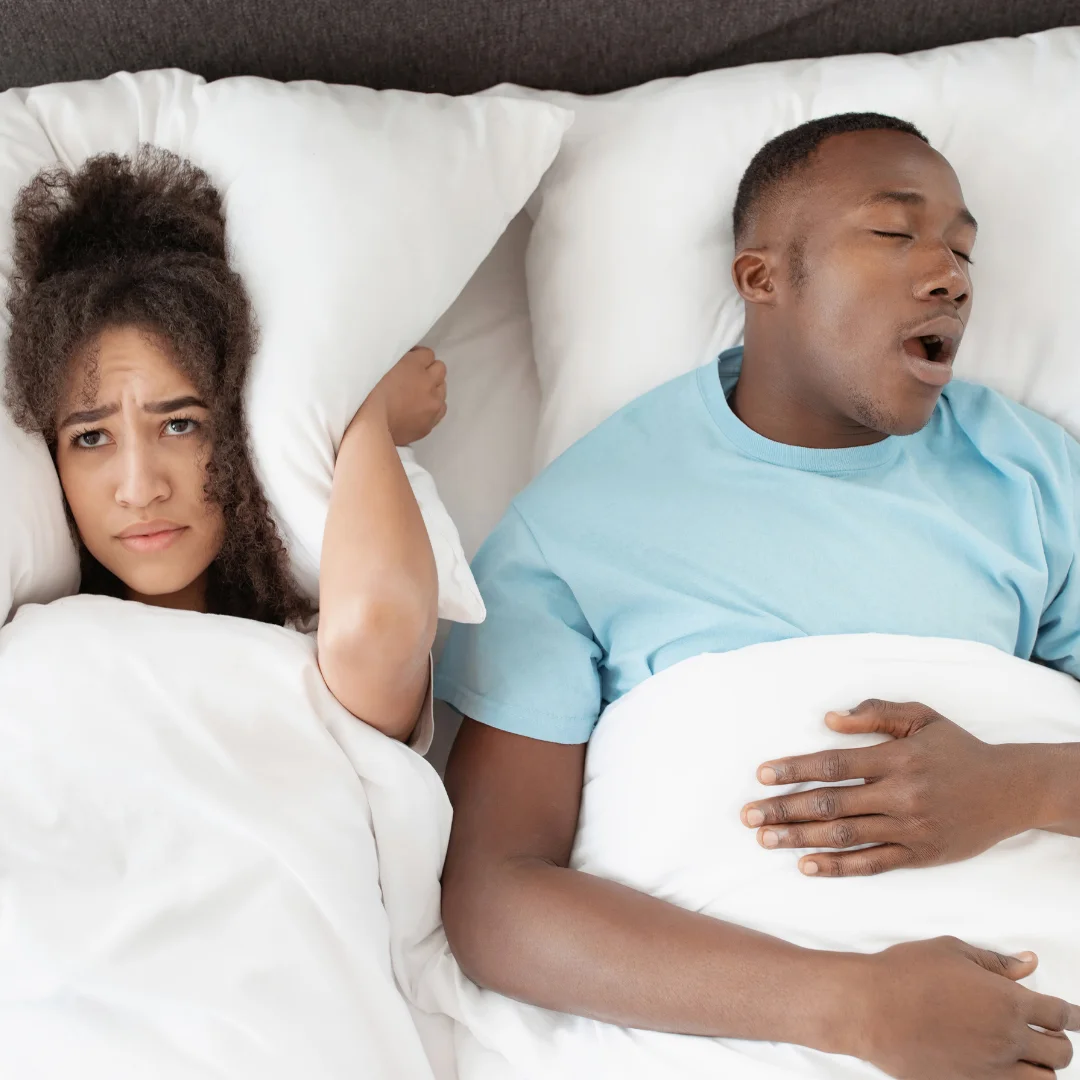
Sleep apnea is a condition in which breathing repeatedly stops and starts during sleep — sometimes dozens of times per hour. The most common form, obstructive sleep apnea (OSA), occurs when throat tissues relax and block the airway. Most people don't realize they have it until a partner notices loud snoring, gasping, or pauses in breathing.
Left untreated, sleep apnea is linked to high blood pressure, heart disease, stroke, type 2 diabetes, and an increased risk of accidents from daytime drowsiness. The good news is that effective treatment can reverse many of these risks and dramatically improve your sleep, energy, and health.
Learn more: Recognize the signs and symptoms | Understand the health risks | How sleep apnea is diagnosed
Treatment: Custom Oral Appliances
For patients with mild to moderate sleep apnea — or those who can't tolerate a CPAP machine — Dr. Chan provides custom oral appliance therapy. A small, comfortable device fits in your mouth like a mouthguard and gently repositions your jaw to keep the airway open while you sleep.
The process starts with a sleep study ordered by your physician, followed by custom fitting and ongoing adjustments at our office. Most patients adjust within days and notice immediate improvement. It's portable, quiet, and far easier to use than a CPAP — which is why compliance rates are significantly higher.
If chronic snoring is your primary concern — even without a sleep apnea diagnosis — an oral appliance can help with that too.
Is Treatment Right for You?
You may be a candidate for oral appliance therapy if you experience loud snoring, daytime fatigue, morning headaches, or if a partner has noticed pauses in your breathing. Dr. Chan works closely with your physician to coordinate care — from diagnosis through treatment and follow-up.
We also screen for related conditions like TMJ disorders that can coexist with or complicate sleep apnea. During your consultation, Dr. Chan will evaluate your airway, jaw position, and overall oral health to determine the best approach for your situation.
Schedule a consultation or call 818-243-3838 to take the first step toward better sleep.
Insurance and Financing
Oral appliance therapy is often covered by dental insurance, especially when recommended by your physician for sleep apnea. We work with most insurance plans and offer flexible financing options to make treatment accessible. Our team will help you understand your coverage and explore all available options.
Sleep Apnea & Snoring Resources
We've created detailed guides to help you understand every aspect of sleep apnea and snoring treatment:
Signs & Symptoms of Sleep Apnea
Learn to recognize the warning signs of sleep apnea, understand the different types, and know when to seek professional evaluation.
Learn More →Oral Appliance Therapy
How custom oral appliances work, the fitting process, CPAP comparison, and why many patients prefer this comfortable alternative.
Learn More →Sleep Apnea Health Risks
The serious health consequences of untreated sleep apnea — from heart disease and stroke to diabetes and depression.
Learn More →Snoring Treatment Options
Understanding what causes snoring, when it signals a deeper problem, and the dental solutions available for lasting relief.
Learn More →Sleep Apnea Diagnosis & Testing
What to expect from sleep testing, how severity is measured, and how Dr. Chan works with sleep physicians for accurate diagnosis.
Learn More →Sleep Apnea & Snoring Questions
What's the difference between snoring and sleep apnea?
Snoring is the sound of vibrating throat tissues during sleep. Sleep apnea is a medical condition in which breathing actually stops and starts during sleep. While all sleep apnea patients may snore, not all snorers have sleep apnea. However, loud snoring is often a sign of sleep apnea and should be evaluated by a doctor.
Can oral appliance therapy work as well as a CPAP machine?
Yes, for patients with mild to moderate sleep apnea, oral appliance therapy can be just as effective as CPAP therapy. Many patients actually prefer oral appliances because they're more comfortable and easier to use. CPAP machines may be recommended for severe sleep apnea. Dr. Chan will work with your physician to determine the best treatment for your situation.
How long does it take to adjust to an oral appliance?
Most patients adjust to an oral appliance within a few weeks. While there may be minor discomfort or adjustment needed initially, the comfort and benefits typically far outweigh any brief adjustment period. Dr. Chan will make adjustments to ensure your appliance fits perfectly and is as comfortable as possible.
Will insurance cover oral appliance therapy?
Many dental and medical insurance plans cover oral appliance therapy for sleep apnea, especially when prescribed by your physician. Coverage varies by plan, so we recommend contacting your insurance company to verify coverage. Our team can help you navigate the insurance process and discuss payment options if needed.
How often will I need to see Dr. Chan for follow-up care?
After your initial fitting and adjustment, most patients return for a follow-up visit within a few weeks to ensure the appliance is working properly and to make any necessary adjustments. After that, regular check-ups (typically annually) help ensure your appliance continues to work effectively and that your sleep apnea is properly managed.
Can I sleep with my partner if I use an oral appliance?
Yes! Oral appliances are much less intrusive than CPAP machines. The appliance is small, quiet, and fits in your mouth like a mouthguard. Unlike CPAP masks and hoses, oral appliances won't disturb your sleep partner, and many partners appreciate the reduction in snoring.